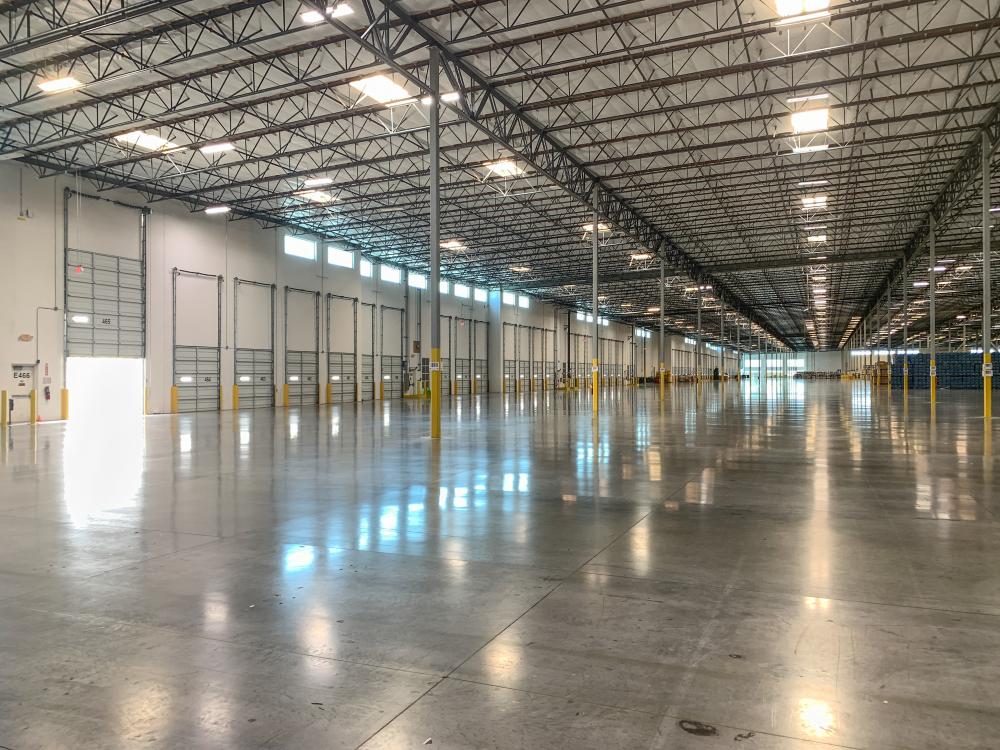
Exploring Floor Coating Options in Denver
The Importance of Durability and Safety
Selecting the Right Coating Material
- Assess Your Needs: Determine the primary use of the space. Heavy machinery areas might require more robust coatings like epoxy.
- Consider the Environment: High-traffic areas benefit from polyaspartic coatings due to their rapid cure time and durability.
- Budget: While considering costs, remember that investing in quality often means saving on future repairs.
- Aesthetics: Will clients see this floor? If yes, you might want to opt for a coating with a sleek finish.
- Consult an Expert: Always seek expert advice. At Mile High Coatings, we provide free consultations to help you find the best fit.
In the past 20 years, I’ve helped countless clients navigate this decision-making process. Each project has its unique requirements, and the satisfaction of delivering tailored solutions is unparalleled.
Addressing Common Concerns
What Qualifies as an Industrial Floor Coating Emergency?
Embracing Innovation in Floor Coatings
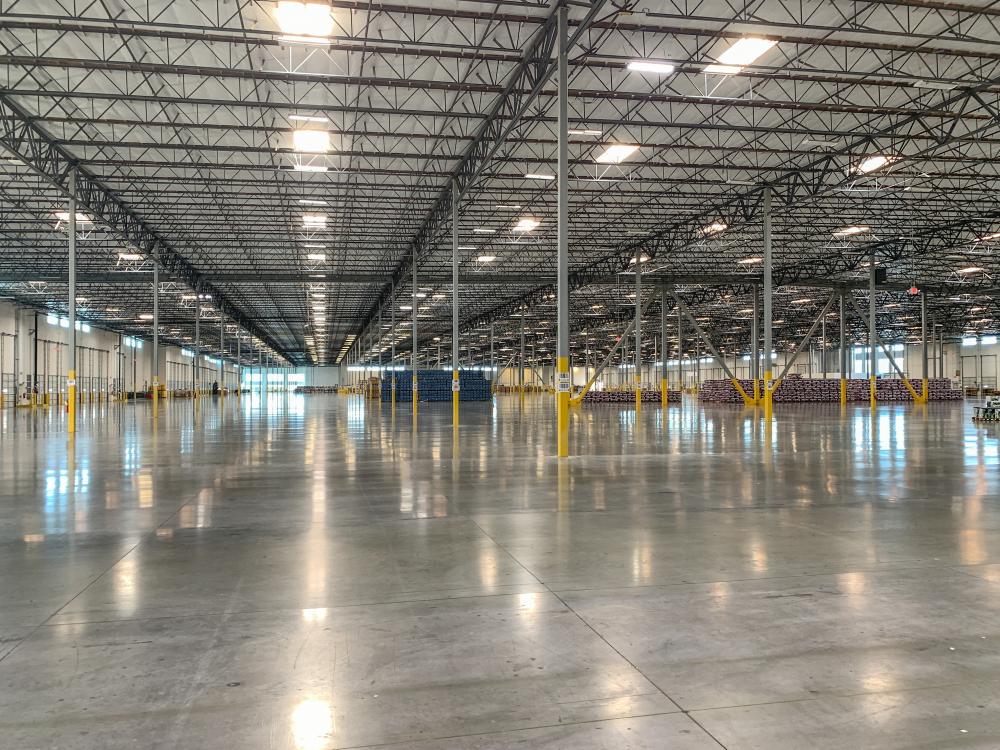
How much does industrial grade epoxy floor coating cost?
When calculating the cost for industrial grade epoxy floor coating, prices can range significantly depending on factors like the size of the area, the type of epoxy used, and the condition of the existing floor. On average, you might expect a cost of $3 to $12 per square foot. At Mile High Coatings, we emphasize the importance of assessing the specific needs of each project, such as whether the space will handle heavy machinery or high foot traffic, to provide a tailored solution. Investing in high-quality epoxy can save money in the long term by reducing maintenance costs and extending the floor’s lifespan. It might be helpful to consider how the overall benefits align with your operational needs.
How much does it cost to coat a floor?
The cost to coat a floor can vary based on the type of coating, surface preparation, and the specific requirements of the project. In Denver, coating a floor might range from $2 to $7 per square foot. Factors such as the floor’s condition and the desired finish also play a significant role in determining the overall cost. At Mile High Coatings, we pride ourselves on offering competitive pricing and professional advice to help you choose the best option for your space. If you’re considering a floor coating project, it may be beneficial to examine how different options fit into your budget while offering the durability and aesthetics you need.
What are the disadvantages of polyaspartic coating?
While polyaspartic coatings offer numerous advantages, such as rapid curing times and high durability, there are a few disadvantages to consider. The primary concern is the cost, as polyaspartic tends to be more expensive than other coatings. Additionally, the application process requires skilled professionals to avoid pitfalls like bubbles or uneven texture. At Mile High Coatings, we guide our clients in weighing these factors against the benefits, such as long-lasting performance and low maintenance. Deciding on polyaspartic may depend on how much value you place on the speed and quality of the installation.
How much does it cost to epoxy 1000 sq ft?
For a 1000 square foot area, epoxy floor coating costs can generally range from $3,000 to $12,000. This variation depends on the type of epoxy, the condition of the underlying floor, and whether additional services like floor repairs or decorative finishes are needed. At Mile High Coatings, we find that a thorough consultation helps in understanding specific needs and ensuring the best outcome for your investment. Considering such an investment, it’s wise to think about the long-term benefits like prolonged floor life and reduced need for repairs.
Does Sherwin Williams sell polyaspartic floor coating?
Yes, Sherwin Williams does offer polyaspartic floor coatings among their wide array of products. They are known for providing high-quality materials suitable for both residential and commercial applications. At Mile High Coatings, we work with various trusted suppliers, including Sherwin Williams, to ensure that our clients receive the best possible products for their projects. If you’re interested in exploring polyaspartic options, it’s worthwhile to compare product offerings and consider how they fit into your project scope and goals.
What is the best finish for industrial floors?
The choice of finish for industrial floors largely depends on the specific needs and conditions of your facility. Generally, epoxy and polyaspartic finishes are favored for their durability and resistance to wear. Polyurethane is another option, known for its chemical resistance and flexibility. At Mile High Coatings, we help clients navigate these options by assessing factors like intended usage, aesthetic preferences, and environmental conditions. A critical takeaway is the importance of aligning your choice with the operational demands of your space to maximize both functionality and longevity.
What role does sustainability play in modern floor coatings?
Sustainability is increasingly becoming a focal point in the industry as businesses aim to reduce their environmental footprint. Modern floor coatings have evolved to be more eco-friendly, incorporating materials that emit fewer volatile organic compounds (VOCs) and using processes that minimize waste. At Mile High Coatings, we prioritize offering sustainable solutions, such as advanced technology coatings that fulfill both ecological and durability criteria. If sustainability is a key concern for your business, it might be worth asking how your chosen floor coating aligns with broader environmental goals, potentially benefiting both your reputation and the planet.
Resources
- Occupational Safety and Health Administration (OSHA) – OSHA is a federal agency that sets and enforces standards to ensure safe and healthful working conditions.
- Environmental Protection Agency (EPA) – The EPA works to protect human health and the environment through regulations and initiatives.
- NSF International – NSF International is a global independent organization that develops standards and provides certifications for products and services related to public health and safety.
- National Academies of Sciences, Engineering, and Medicine – The National Academies provide expert advice on scientific, engineering, and health issues to inform public policy decisions.